Introduction
A well-designed office isn’t just about aesthetics—it’s a strategic tool that can enhance productivity and employee well-being. From the layout to the lighting, every element plays a crucial role in shaping an efficient work environment. A thoughtfully designed office space reduces stress, fosters creativity and promotes collaboration among employees. In this article, we’ll explore the best office interior design ideas that can transform your workplace into a hub of efficiency and comfort.
The Influence of Office Design on Productivity
Workplace Evolution
Businesses nowadays are focusing more on employee experience. An optimized workspace leads to:
- Improved focus and reduced distractions
- An increase in employee morale and job satisfaction
- Better collaboration and teamwork
- Reduced health issues associated with poor ergonomics and lighting
Employees also feel motivated and comfortable and, therefore, have improved efficiency rates with reduced turnover rates by planning an office well. Read How Office Design Affects Employee Well-Being
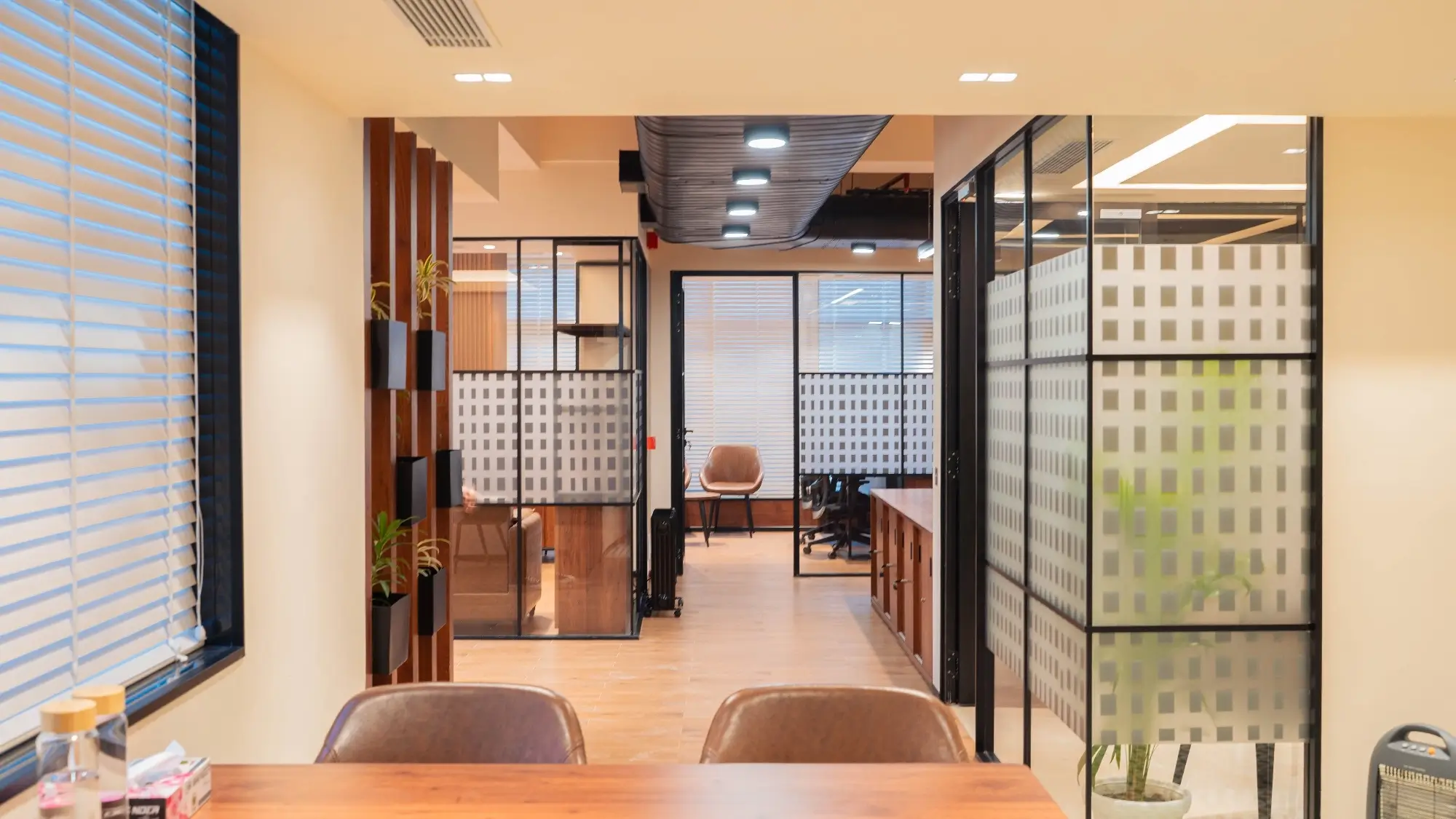
Key Office Interior Design Ideas to Boost a Productive Workspace
1. Optimize Natural Light and Biophilic Design
According to scientists, natural light is one of the most potent productivity enhancers. Daylight exposure is associated with improved moods, better sleep and more energy. Here's how to maximize that:
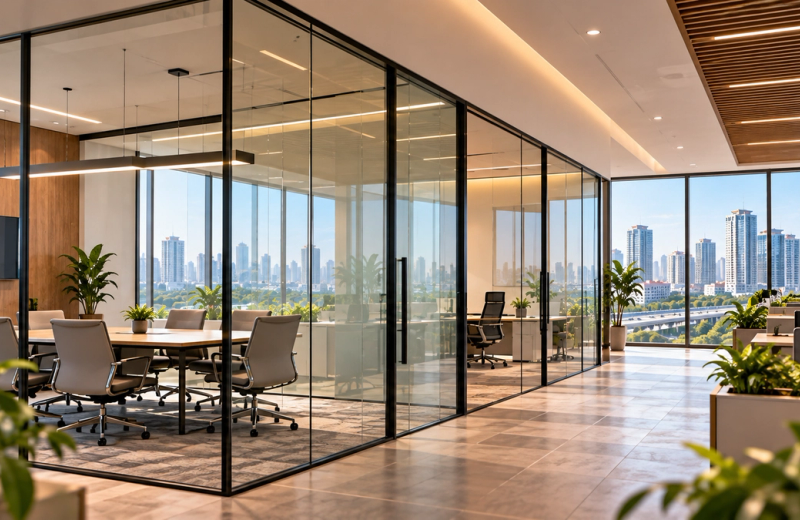
- Use large windows and glass partitions to let sunlight pass through your office
- Position workstations as close to windows as possible
- Include biophilic design elements such as indoor plants, living walls and natural materials
2. Ergonomic Furniture
Comfort for the employees is key. Bad sitting and wrong desk setup lead to back pain, fatigue and poor concentration. Ergonomic office furniture prevents these issues by providing:
- Adjustable chairs with lumbar support
- Sit-stand desks that encourage movement
- Keyboard trays and monitor stands to maintain proper posture
3. Flexible Workspaces
A flexible office layout enables employees to decide how and where they work. Some of the key features of a versatile office include:
- Open-plan areas for collaboration
- Quiet zones for focused work
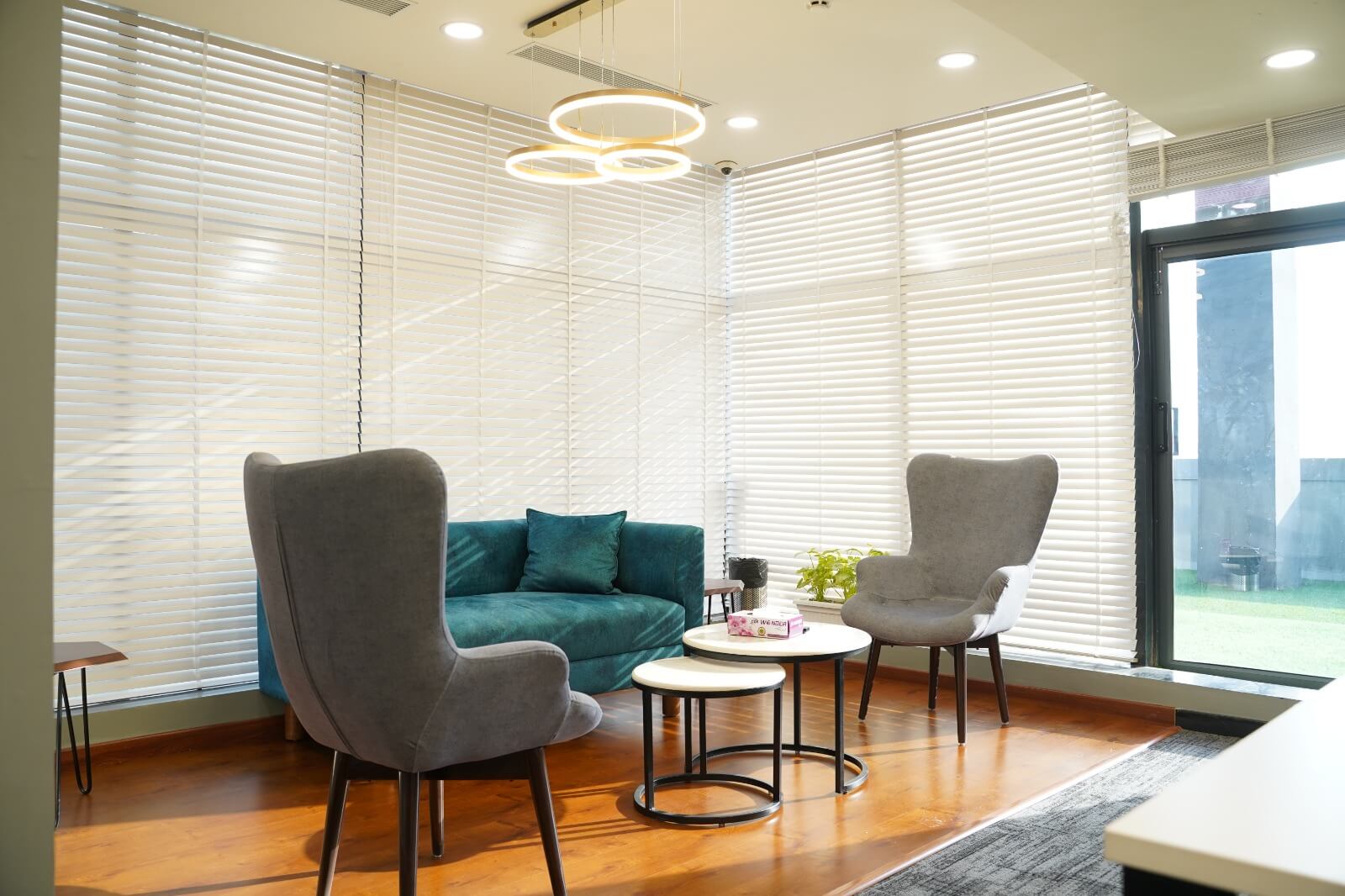
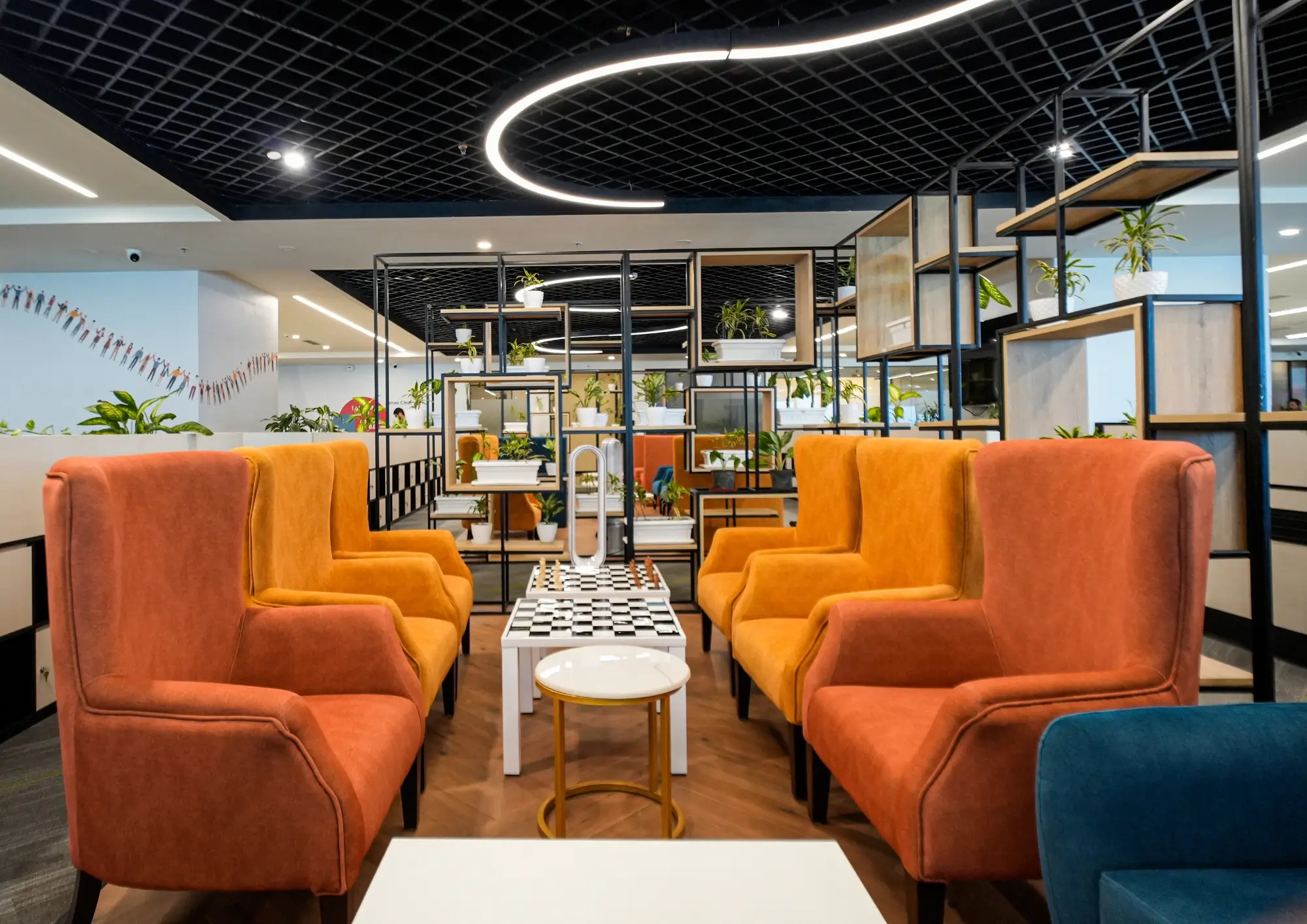
- Breakout spaces with comfortable seating for informal meetings
- Modular furniture that can be rearranged as needed
4. Acoustic Comfort
Noise pollution is one of the major workplace distractions. To achieve a quiet and productive space, consider:
- Installing acoustic panels and soundproof partitions
- Using noise-canceling technology or white noise machines
- Creating separate spaces for team discussions and private work
5. Wellness Rooms and Relaxation Areas
A stressed employee is not a productive employee. To help employees be healthy, consider the following:
- Create wellness rooms for meditation or relaxation
- Add fitness areas or standing desks to promote movement
- Create social spaces like lounges or game rooms to promote interaction and creativity
6. Use Colors and Textures to Influence Mood
Color psychology plays a significant role in office design. The right color scheme can:
- Boost concentration (blue and green hues)
- Encourage creativity (yellow and orange tones)
- Reduce stress and promote calmness (neutral and pastel shades)
Textures also add depth and warmth to a space, making the office feel more inviting.
Technology in Modern Office Spaces
Smart office technology increases efficiency and streamlines workflow. Some important tech features include:
- Wireless charging stations
- Automated lighting and climate control for energy saving
- Interactive whiteboards and collaboration tools for teamwork
Conclusion
The right office interior design ideas can make a big difference in workplace productivity and employee satisfaction. Natural light, ergonomic workspaces, flexible workspaces and wellness-focused design can support efficiency and well-being in your workplace. Sometimes, a well-designed office isn’t just about appearance—it’s about creating a workplace where employees thrive. Explore Activity-Based Working Explained
Renovations by Orange Offices extend beyond standard office interior design; they cultivate an environment that supports employee well-being and morale, empowering teams to consistently perform at their best.